Demonstration content — not final material
Tekirdağ Study Visit
A realistic demonstration activity for sustainable tourism focused on Tekirdağ.
Read details: Tekirdağ Study Visit
Activities
Planned study visits, training, meetings and awareness activities.
STAR-T combines international cooperation, capacity building, digital learning and practical sustainability support to strengthen tourism businesses and local value chains in Tekirdağ, Malatya and Basilicata. The project activities are designed as an interconnected pathway: participants learn from one another, assess their sustainability performance, build business relationships, adopt better practices and remain connected through the STAR-T Alliance Platform.
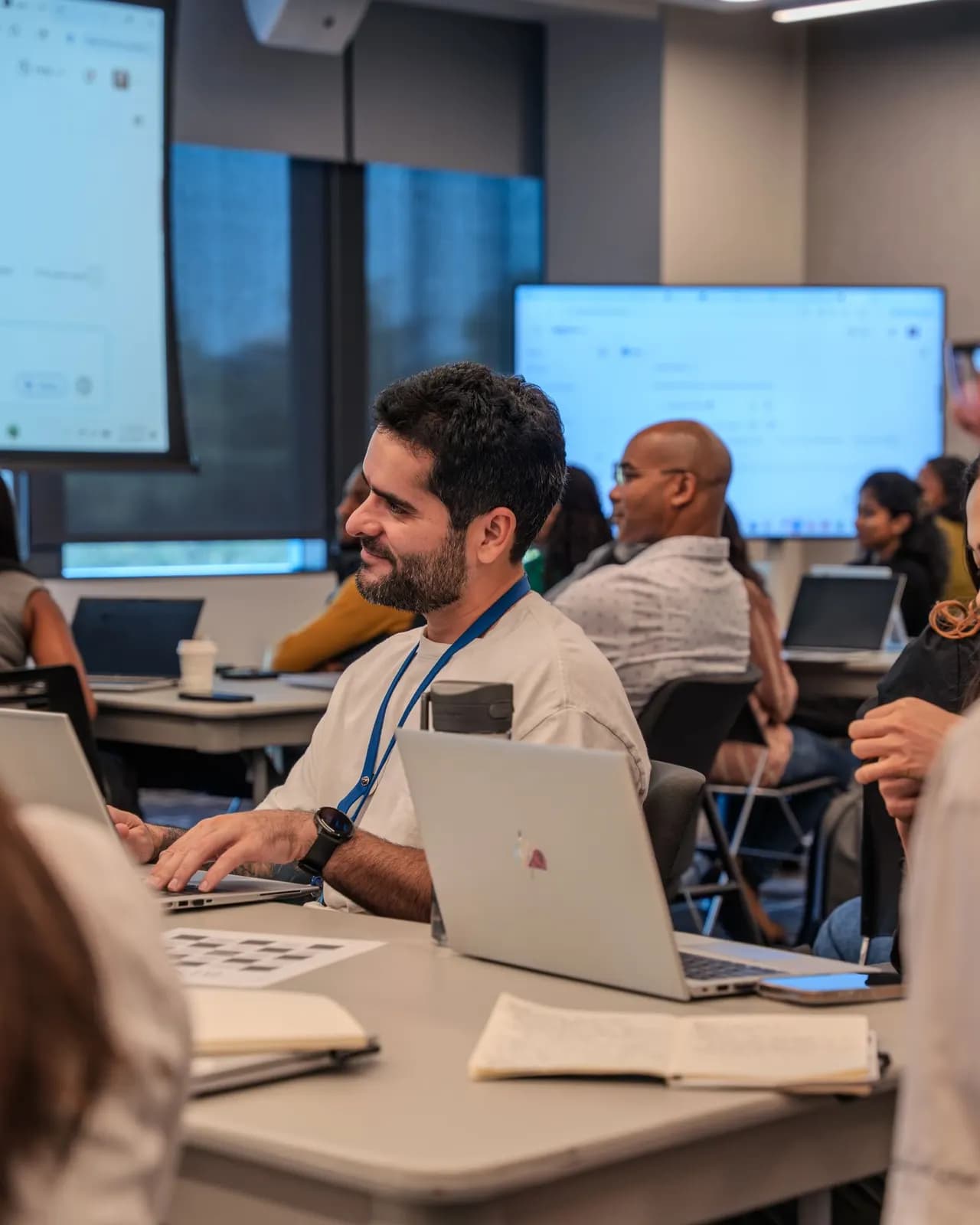
STAR-T organises study visits in Basilicata and Tekirdağ to create direct opportunities for Chambers and tourism businesses from Türkiye and Italy to exchange experience and observe sustainable tourism practices in real-life settings.
During the visits, participants meet tourism enterprises, local producers and relevant institutions, examine sustainable business models and discuss how successful approaches can be adapted to their own regions. The activity strengthens cross-border cooperation and turns practical observations into transferable knowledge for the partner regions.
The B2B Online Meetings connect tourism operators and relevant businesses from Tekirdağ, Malatya and Basilicata with potential partners in the sustainable tourism supply chain. Enterprise profiles, fields of activity and cooperation interests are used to support meaningful business matching.
The meetings allow businesses to introduce their products and services, explore partnership opportunities, exchange market information and develop cross-border contacts that can continue beyond the project.
Capacity building is a central component of STAR-T. The project provides training for tourism enterprises and Chamber staff so that both businesses and business-support organisations can better understand sustainability principles and apply them in practice.
Training for tourism enterprises focuses on sustainable tourism practices, resource efficiency and responsible business approaches. Training for Chamber staff combines sustainability knowledge with mentorship skills so that trained staff can guide member businesses more effectively.
STAR-T develops a Self-Learning Online Training Pack that enables tourism operators and Chamber staff to learn at their own pace. The online structure is intended to provide flexible access to sustainable tourism knowledge beyond scheduled training sessions.
The digital learning resources will be accessible through the STAR-T Alliance Platform and will support continued skills development across the partner regions.
The platform will include sustainability self-assessment tools that help participating businesses reflect on their current practices and identify areas for improvement. The self-assessment is designed as a practical learning and awareness tool rather than a stand-alone theoretical exercise.
The technical platform structure foresees sustainability questions, automatic scoring, company-based results and a report output, allowing users to review their performance and use the results as a starting point for further learning, mentorship and improvement.
The STAR-T Mentorship Programme provides practical, personalised guidance to tourism SMEs that want to introduce or improve sustainable practices. Trained Chamber staff, supported through the project mentorship framework, will work with participating businesses to turn sustainability knowledge into realistic actions.
Mentorship may address areas such as waste reduction, resource efficiency, sustainable sourcing and other operational improvements that contribute to responsible tourism.
Supplier Chain Assessments support stronger connections between tourism operators and local producers by identifying opportunities for sustainable partnerships. The activity uses a structured methodology to evaluate selected tourism businesses and local suppliers and to encourage more sustainable supply-chain relationships.
The assessment methodology and related documentation will also be transferred to the STAR-T Alliance Platform so that other Chambers and stakeholders can use the approach as a practical reference.
The Farm-to-Fork activity links tourism with local agriculture, gastronomy and production. STAR-T develops tourism packages that highlight local producers and sustainable dining experiences, helping visitors discover regional products while creating new opportunities for tourism businesses and local suppliers.
By promoting local sourcing and closer cooperation between producers and tourism operators, the activity supports regional agriculture, shorter supply chains and distinctive tourism experiences with a stronger local identity.
STAR-T promotes the collection and exchange of sustainable tourism good practices so that businesses can learn from concrete examples and adapt relevant ideas to their own operations. Good practices will be shared through project activities, communication materials and the STAR-T Alliance Platform.
The digital platform will also provide a structured area where businesses can submit good-practice examples. Submitted content can include photographs and supporting documents and will be published following administrator review and approval.
The STAR-T Alliance brings tourism operators and local suppliers into a collaborative network focused on sustainable tourism, environmentally responsible operations and local sourcing. The Alliance is intended to create longer-term cooperation among businesses and Chambers in Tekirdağ, Malatya and Basilicata.
Members will be able to build company profiles, discover other participants, access project resources and use networking opportunities offered through the platform, including an online chat function.
STAR-T will establish a local certification system that recognises tourism operators adopting sustainable practices. The system is designed to encourage businesses to invest in sustainability and to provide visible recognition for their efforts.
The certification framework will include standards and criteria, an assessment process, documentation and a transnational jury. The project also foresees an awarding and certification ceremony to celebrate businesses that demonstrate strong sustainability performance and commitment.
The STAR-T Alliance Platform is the common digital environment that connects the project activities and keeps their results accessible. It is designed for ongoing interaction and knowledge sharing among tourism operators, suppliers and Chambers.
The platform will bring together training content, self-assessment tools, good practices, mentorship resources, Farm-to-Fork materials, information about Alliance members, certification-related information and other project outputs. It therefore acts both as a project resource centre and as a long-term networking and learning space.
A realistic demonstration activity for sustainable tourism focused on Tekirdağ.
Read details: Tekirdağ Study Visit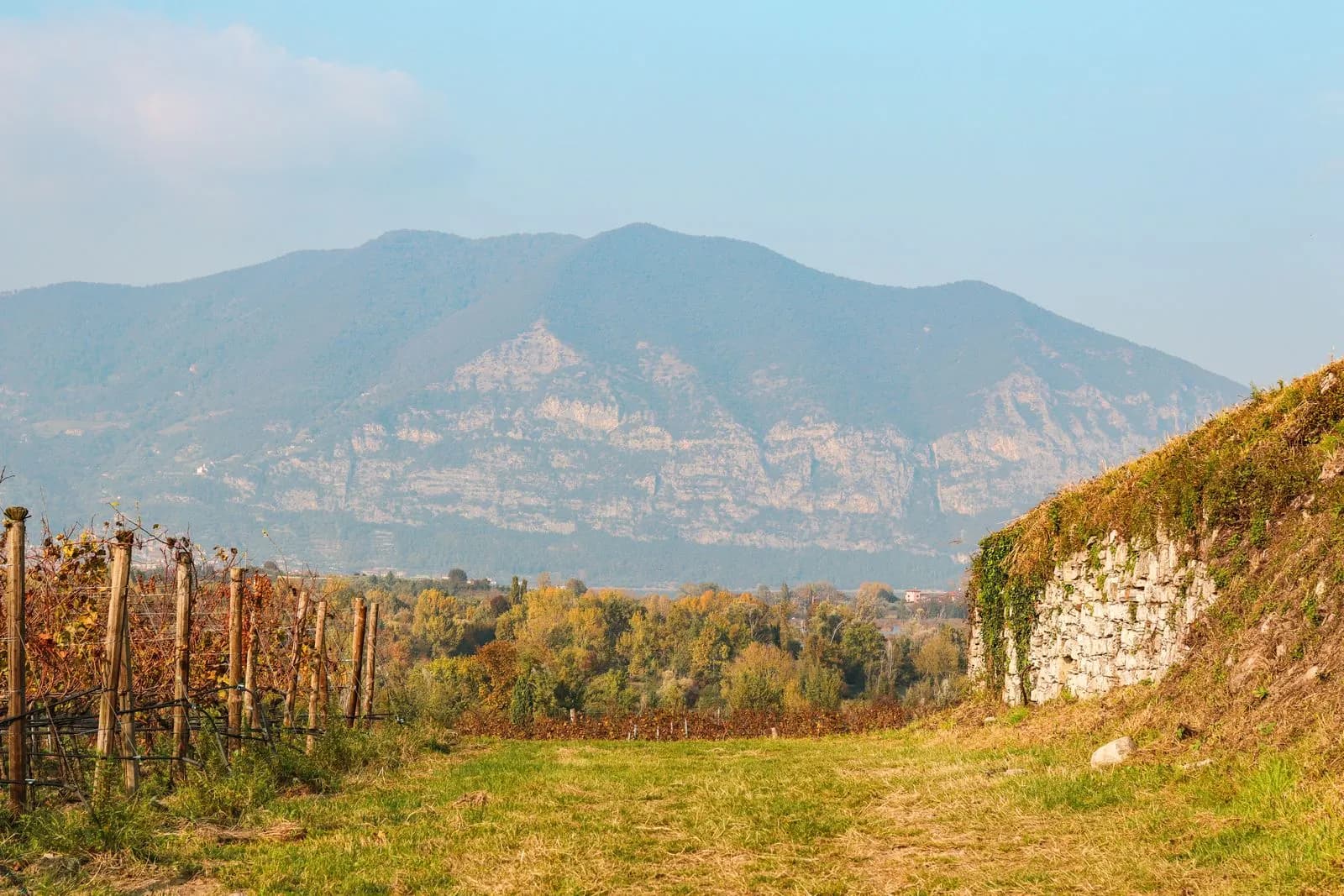
A realistic demonstration activity for sustainable tourism focused on Basilicata.
Read details: Italy Study VisitA realistic demonstration activity for sustainable tourism focused on Online.
Read details: Online B2B MeetingsA realistic demonstration activity for sustainable tourism focused on Hybrid.
Read details: Tourism Enterprise TrainingA realistic demonstration activity for sustainable tourism focused on Tekirdağ.
Read details: Chamber Staff TrainingA realistic demonstration activity for sustainable tourism focused on Three regions.
Read details: Mentorship Programme
A realistic demonstration activity for sustainable tourism focused on Three regions.
Read details: Supply-Chain AssessmentsA realistic demonstration activity for sustainable tourism focused on Three regions.
Read details: Awareness SeminarsOn smaller screens, scroll horizontally to view all seven partners in their approved order.